10 Best Exercises for Fast and Effective Fat Loss

Tristan Forbes • November 20, 2025

10 Best Exercises for Fast and Effective Fat Loss 

G'day, champions! Let’s get straight to the point. 


You have come to the right place if you need to see real results. You want fast and effective fat loss, and you don't have time to waste workouts that just tick a box. Instead, you need heavy hitters and the exercises that will give the highest return on your effort. 


If you feel like you’ve been slugging it out, but the stubborn fat won’t shift, you're likely missing the key mix of intensity and muscle building. 


At Witness the Fitness in Paddington, QLD, we specialise in fat loss workouts that are smart and efficient. This guide cuts through the fluff to give you the top 10 moves, the genuine best exercises for fat loss. 


The Engine Room: Why These Moves Burn More Fat 


Fat loss isn't just about calories burned during your session. The true secret is boosting your body's ability to burn calories after the workout is finished, and even while you’re resting. 


This is why we focus on two types of training: 


  • High-Intensity Training (HIIT): This will be brought along with the 'Afterburn Effect' (EPOC). The moment you wrap up your exercise routine, your body's metabolism will still ramp up quite a bit for a few hours. Truly, the concept is very effective! 


  • Strength Training: Building lean muscle increases your Resting Metabolic Rate (RMR). Muscles are metabolically active, so the more muscle you have, the more calories you burn simply existing. 


Effective weight loss exercises must hit both of these pillars. 


Top 10 Exercises: The Ultimate Fat-Shredding List 


Ready to get to work? Here are the 10 moves we use in our Paddington gym to deliver fast results: 

1. Burpees (The Full-Body Fire) 


The reason for their fame is that these exercises are the most efficient ones—one workout hits everything all at once. Burpees are the combo of squat, plank, and jump in one fluid movement. 


Why it works: This among others is the best high-intensity fat-burning workout. It very quickly raises your heart rate, thus making the most of that EPOC afterburn effect. 


Keep it Simple: Focus on a fast, smooth transition between the jump and the floor movement. 


2. Deadlifts (The Muscle-Building King) 


This is the non-negotiable ruler of strength training for fat loss. It works your hamstrings, glutes, back, and core all together. 


Why it works: The main reason is that it engages the largest muscle groups in the body. Building muscles here leads to the biggest, long-term, boost in your RMR. 


From First: Use a professional coach (like our trainers!) To ensure perfect technique before increasing weight. 


3. Sprints and HIIT 


Sprinting is not just about running; it is about total effort, no matter what your mode of transport is, running, cycling, or rowing. We apply HIIT (High-Intensity Interval Training) methods. 


  1. Why it works: This is the single best exercise for fat loss methodology. Studies show it burns more fat in less time than long, slow cardio.
  2. Example: 20 seconds of maximum effort, followed by 40 seconds of rest. Repeat 10 times. 


4. Kettlebell Swings (The Explosive Pump) 


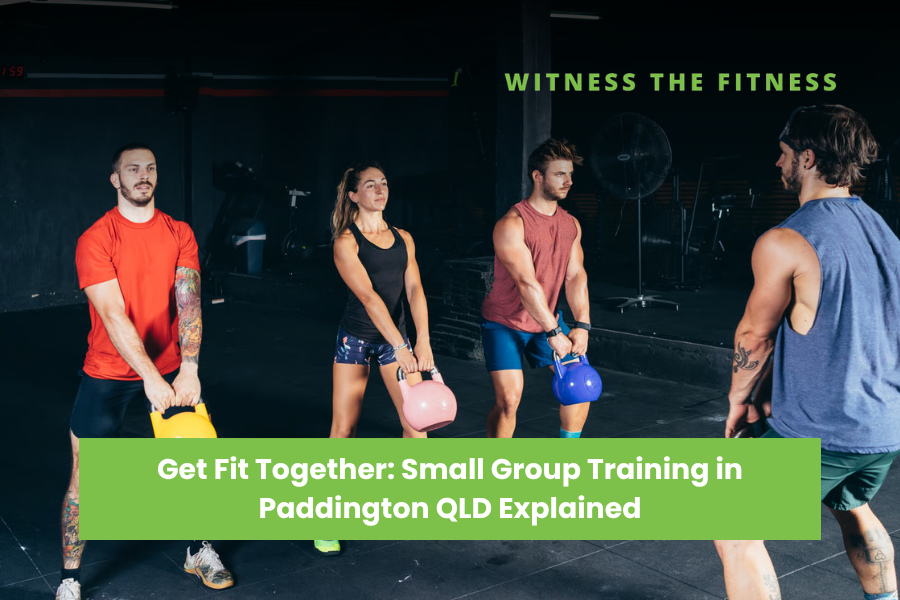
A dynamic, powerful movement driven by the hips. It's a favourite in our fat loss workouts. 


Why it works: It recruits the posterior chain (glutes and hamstrings) explosively. This demands huge energy and acts as intense cardio exercises for fat loss. 


Tip: It’s a snap of the hips, not a lift with the arms. Drive the power from your lower body. 


5. Squats (The Metabolic Furnace) 


You must work your legs. Squats, whether weighted or bodyweight, are essential. 


  1. Why it works: Because your legs hold your biggest muscles, working them hard requires a massive calorie commitment from your body, accelerating fat loss. 
  2. Next Level: Add weight or make them jump squats for a higher exercises to burn fat fast intensity. 


6. Rowing (Low-Impact, High-Calorie) 


The rowing machine is often overlooked. It's a brutal full-body conditioner without the impact on your joints. 


  1. Why it works: It simultaneously uses about 85% of your body's muscles in a single, fluid motion. High muscle engagement means huge calorie expenditure. 
  2. Key Focus: Drive with your legs first. The pull with your arms is the finish, not the start. 


7. Bodyweight Lunges (Foundation Strength) 


Lunges build strength in the legs individually and are excellent for stability and balance. 


  1. Why it works: They hit the glutes and hamstrings deeper than squats, adding essential variety to your strength training for fat loss program. 
  2. Upgrade: Do lunge while holding a pair of dumbbells or a kettlebell to raise the muscle stimulant. 


8. Mountain Climbers (Core on Fire) 


A bodyweight exercise for fat loss; mountain climbers are straightforward but merciless at the same time. 


  1. Why it works: You keep a plank (your core activated) while doing your legs fast (cardio). This is a top drill for hitting core stability while ramping up your heart rate. 
  2. Form: Keep your body in a straight plank line, don't let your hips pop up. 


9. Battle Ropes (Conditioning Beast) 


If you want immediate exhaustion and sweat, grab the ropes. 


  1. Why it works: They merge resistance to work with continuous high-speed movement. It’s a pure high-intensity fat-burning exercise for the arms, core, and lungs. 
  2. Try This: 30 seconds of alternating waves, then 30 seconds' rest. Do 5 sets. 


10. Farmers’ Carry (Grip & Grind) 


This simple move involves carrying heavy weights (like dumbbells or kettlebells) for distance or time. 


  1. Why it works: It forces massive core stabilisation and grip strength, while the extended period of exertion acts as superb, metabolic weight loss exercise. It hits the entire body under tension. 
  2. The Benefit: It builds real-world, functional strength that directly supports other heavy lifts like the deadlift. 


The Witness the Fitness Strategy: Making It Stick 


Having the list is the first step towards victory. To witness a fast and effective fat loss, an organized method, and above all, accountability is necessary. 


  1. Mix It Up: Don't perform the same workout more than once consecutively. The exercise classes we offer will continuously change the balance between the strength (e.g. Deadlifts, Squats) and HIIT (e.g. Burpees, Sprints) to always satisfy your body and make it adapt. 
  2. Watch the Clock: Apply HIIT principles. Rest periods should be kept short (30-60 seconds) in order to keep the heart rate high throughout the session. 
  3. Prioritise Form: The heaviest weight is worthless if your form is incorrect. Poor technique leads to injury and zeroes out the fat-burning benefits. 


Why Group Fitness Works Best in Paddington 


It’s really difficult to get yourself up to that max-effort point when you are by yourself in training. This is where the community atmosphere at Witness the Fitness in Paddington, QLD, really plays its part in the power of the training. 


  1. Expert Coaching: The trainers will guide you to get every squat and deadlift right, thereby safely maximising your results. 
  2. In-Built Motivation: When your friends are still going strong, you're much less likely to give up on a tough set. 
  3. Accountability: The very thought that a session is waiting for you makes it simpler to come and keep working out, which is the ideal fat-loss exercise, one that you actually do. 


Conclusion 


Finding the best exercise for fat loss doesn’t have to be complicated. Using a combination of high-intensity intervals, strength training, cardio, and bodyweight movements, you will not only be able to burn calories quickly but also build lean muscles and thus, get your fitness transformed from inside out. 


If you are all set to move on to the next level, Witness the Fitness in Paddington, QLD. is your truest ally. Be a part of our encouraging community, take pleasure in energetic group classes, and watch your results come to life. 


Ready to get started? Schedule your first session at Witness the Fitness now and achieve your fitness goals without fear. 
By Tristan Forbes December 29, 2025
Find mums and bubs fitness in Paddington, including postnatal exercise classes, mum and baby workouts, and supportive gyms for mums.
By Tristan Forbes December 29, 2025
Struggling to find the best workout plan? Learn how to choose the right training program tailored for your weight loss, strength, and endurance goals. Start achieving results today!
By Tristan Forbes December 29, 2025
Discover the best gyms in Paddington offering strength, cardio, workout classes, fitness centers, health clubs and flexible gym memberships in Paddington.
By Tristan Forbes December 1, 2025
Discover why small group training in Brisbane is booming. Learn about small group fitness classes, coached group workouts, and small group training prices today.
By Tristan Forbes November 11, 2025
Discover the truth about low-carb vs high-carb for weight loss. Learn fat loss strategies, carb cycling tips, and the best diet for your goals.
By Tristan Forbes October 16, 2025
Best Protein Foods for Building Muscle: High-Protein Diet & Meal Ideas
By Tristan Forbes October 16, 2025
5 Common Nutrition Mistakes for Weight Loss (and the Science-Backed Fixes)
A group of people standing on top of a hill with their arms in the air.
By Tristan M. Forbes April 1, 2025
Greetings to our valued members! We’re thrilled to announce that we have successfully transitioned to our new booking platform, Momence. We understand that change can sometimes be a bit unsettling, but rest assured, we’ve made this transition as seamless as possible. To help you adapt to our new system effortlessly, we’ve compiled a set of Frequently Asked Questions (FAQs) below. Please take a moment to peruse through them: How to get Momence as a Previous or Current Member We’ve gone ahead and created your account on Momence, ensuring that your existing info, history, memberships and bookings are seamlessly integrated. To proceed, you just need to establish a new password, click here. How to get Momence as a New Member New members are entitled to a 7 Day Free Trial! So please click this link and follow the steps to get fully set up. Want to get the most out of this new App? I strongly suggest checking out this new app on your desktop or mobile browser using this link . Here you will have access to our Refer & Earn feature, Online store and much more! How to Book a Session? Effortlessly book classes and move around the app after watching these quick videos ! Updating Billing and Payment Information Open Mobile App > My Account > Payment Method > Enter payment details Easy as that! This can also be done on your desktop using this link . Communication Once you have signed up with Momence, you will get txt messages from Tristan (0483 907 185). Feel free to reply to this number! Any membership changes, pauses etc, just message that number and it’’s be done ASAP. Assistance and Support Throughout this transition, our support team is at your service. Should you have any lingering questions, please don’t hesitate to reach out via email at achieve@wtftpc.com.au We extend our gratitude for your patience and understanding as we embrace this exciting change. The Momence app promises to enhance your experience with us, and we’re here to ensure your journey is smooth and enjoyable.
A man and a woman are standing in front of a door and smiling.
By Tristan M. Forbes April 1, 2025
Introducing Michael and Amanda O’Doherty- the husband and wife team at the heart of Chiropractic Moves and Chiro Mamas . They run a family clinic in our lovely Rosalie Village, with a focus on treating conditions of the back and hips as well as working with mothers and babies to address the musculoskeletal issues of pregnancy, birth and breastfeeding. They know that you have a lot going on and don’t have time to be slowed down by pain and injury. They also know you are willing to do the work to get results. They are here to help you get out of pain and resolve your musculoskeletal issues through specific Chiropractic adjustments, targeted muscle work and tailored exercises to create healthy movement and get you feeling more like yourself again. Their clinic is special, not because it’s across the road from Witness The Fitness Paddington, but because there are just two of them and they each have their own clinical expertise, meaning they are able to offer diverse services to you and your family. In short, they don’t have regimented guidelines and processes handed from ‘the guys above’, you will get the best experience possible and suited to your situation. Here is a short look at a very common issue; sciatica! Sciatica Sciatica is an injury usually characterised by low back pain that radiates (or refers) into one leg, or very rarely two legs. It is the most common kind of referring lower back pain, and is sometimes called lumbar radiculopathy or sciatic neuropathy. The Sciatic Nerve Is the longest nerve in the body, it has a number of functions and one those is ‘supplying’ sensation (relaying signals) to the skin of the side and back of the leg, and the foot. It also supplies signals from the brain back down to the hamstring muscles and some muscles of the calf. Referred Pain The referral pain in sciatica usually travels down the back and outer side of the leg to the foot, the areas supplied by the nerve, it is most classically a sudden lightning bolt of pain. And may occur many times throughout the day, especially with movement. But may be accompanied by deep or achy pain, pins and needles, a tingling or crawling sensation through the skin. It could feel like burning or it may lave the affected area feeling completely numb. It may also cause weakness of the hamstring and calf muscles down the same leg. Low Back Pain Sciatica is very frequently accompanied by low back pain, as the sciatic nerve originates in the lumbar spine and is formed from strands of a number of spinal nerves. It’s usually the last 2 lumbar segments, the L4 and L5 that are injured and cause the pain referral but the nerve can also become irritated further along its course, the piriformis muscle is a common culprit, giving rise to a form of sciatica called piriformis syndrome. Diagnosis There are a number of different structures and diseases that can cause sciatica, health professionals presented with apparent cases of sciatica will want to rule out things like infection, cancer, diabetes, arthritis and more. Do I Need an Xray or a Scan? X rays are rarely useful for diagnosing or managing sciatica and almost never used. Similarly CT scans are rarely useful for sciatica. MRI scans are good at demonstrating disc injuries and protrusions that can cause sciatica, but even they are rarely required. We don’t use them much as the vast majority of cases can be diagnosed by a qualified person without an MRI. An MRI can however be a useful tool to plan a surgery or to rule out another condition. Why is Sciatica a Problem? Sciatica should always be checked out by a health professional, besides needing to be differentiated from the conditions mentioned above, some cases of sciatica may result in permanent nerve or spinal cord damage. This could lead to loss of bowel and bladder control, paralysis in muscles of one or both legs, and permanent loss of sensation in one or both legs. Treatment for Sciatica Most people with Sciatica will benefit from avoiding long periods of rest and keeping up normal daily activities as much as possible. Medical Treatment Some over the counter medications are useful, especially for short term pain management, and should be discussed with a GP. Surgery can work quickly for some people who fail rehab or get worse under usual care. Surgery is generally reserved for cases where nothing else is working as it’s expensive, time consuming, and may require rehab post surgery. Exercise Exercise seems to be the most useful therapy for sciatica. This should be in the form of structured supervised exercises. Walking the dogs or upping your pedometer steps in the workplace probably doesn’t count. Exercise programmes will usually include some strength component, and some stability and balance work, aimed to increase range of motion, reduce pain, and speed up the return to normal activity. Manual Therapies Adjustments or mobilisations like those commonly delivered by chiropractors are seen as useful treatment for sciatica as they appear to reduce pain, increase range of motion and may help people get back to normal activities earlier. These therapies should be used in addition to exercise and rehab. And like most therapies, they could have side effects that you need to discuss with your chosen health professional. Other therapies Massage and acupuncture may have a role to play too but there is not much scientific consensus on where, when or how these therapies should be included. Traction is generally avoided. Reading List 1. Rapid Review Report: Diagnosis, Investigation and Management of Low Back Pain Prepared for the Australian Commission on Safety and Quality in Health Care June 2020 2. Low back pain and sciatica in over 16s: assessment and management. NICE guideline [NG59] Published: 30 November 2016 Last updated: 11 December 2020 3. On the definitions and physiology of back pain, referred pain, and radicular pain. Bogduk, Nikolai Pain: December 2009 – Volume 147 – Issue 1 – p 17-19 doi: 10.1016/j.pain.2009.08.020 4. Non-steroidal anti-inflammatory drugs for sciatica. Rasmussen-Barr E, Held U, Grooten WJA, Roelofs PDDM, Koes BW, van Tulder MW, Wertli MM. Cochrane Database of Systematic Reviews 2016, Issue 10. Art. No.: CD012382. 5. Traction for low-back pain with or without sciatica. Wegner I, Widyahening IS, van Tulder MW, Blomberg SEI, de Vet HCW, Brønfort G, Bouter LM, van der Heijden GJ. Cochrane Database of Systematic Reviews 2013, Issue 8. Art. No.: CD003010. 6. Rehabilitation after lumbar disc surgery. Oosterhuis T, Costa LOP, Maher CG, de Vet HCW, van Tulder MW, Ostelo RWJG. Cochrane Database of Systematic Reviews 2014, Issue 3. Art. No.: CD003007. 7. Non-steroidal anti-inflammatory drugs for acute low back pain. van der Gaag WH, Roelofs PDDM, Enthoven WTM, van Tulder MW, Koes BW. Cochrane Database of Systematic Reviews 2020, Issue 4. Art. No.: CD013581. Dr Michael O’Doherty (Chiropractor) 21 Agars St Paddington 4064 0404 717 488 info@chiropracticmoves.com.au
A store front with a sign on the window that says heal your feet
By Tristan M. Forbes April 1, 2025
I bought a new pair of shoes the other day… Life changing? No, but it sure was game changing! Thanks to a visit with Aadila Dada at ProHealth Podiatry, I finally ditched the old converse shoes for a pair of supportive, athletic and presentable Nikes. Aadila and her team have recently opened up their second practice, right here in our very own 4064 neighbourhood. Here is an all important blog post about ‘OFF SEASON TRAINING’.. but don’t think this only applies to those who play sports. YOU most likely train all year round, when did you last follow these important recovery measures mentioned below? If you’re competitive by nature and love exercise/workouts, it’s quite difficult to stop and rest. Do you have an injury this year? If you did have an injury, were you one hundred percent pain free when you returned, or did you come back sooner than expected. Many players’ return too early because of peer pressure, especially at a junior level. And this is why the off-season is so important, because nothing beats rest, but at the same time you shouldn’t be sitting back totally inactive and eating Doritos. Lower Limb Injuries (again) In sport foot and lower limb injuries are not uncommon, and yes, with rest you will feel much better, however was it a new injury or a problem that returns every season? If you’ve had similar problems in previous years, you need to address this during the off-season, otherwise it’s just going to occur again next year. Seeing a podiatrist to evaluate all lower limb problems should be at the top of your to do list this off-season, especially if the pain is still present. Evaluate Your Footwear Also, the off season is a great time to evaluate your footwear. Many foot and lower limb problems can be caused by poor fitting footwear, or footwear that is past it’s use by date. Excessive wear in any area is a sure sign that your foot is not functioning as it should, and this can lead to lower and upper body injuries. Many back problems are directly related to your feet and a Podiatrist is the only health professional that will be able to evaluate this properly. This is why at ProHealth Podiatry our podiatrists work closely with local Physiotherapists, Chiropractors and Osteopaths. Incorporate Stretching Stretching is also important. If you’ve been tight is specific muscle groups, the off-season is the perfect time to address this and make an effort to become more flexible. A lot of injuries can be contributed to tight muscle groups. If you have muscle tightness, it affects the function and range of motion of the associated joints, therefore this places more force and strain on other joints and muscles because they will automatically try to compensate for this lack of mobility. Review Your Orthotics If you had orthotics made previously, you should have them evaluated during the off-season as well because if repairs or replacement pairs are needed, the off-season is the perfect time to do this, so you’re ready for the preseason. If you do everything right in the off-season, and fix all those niggling problems, you’re going to enjoy next year’s season so much more. To make an immediate appointment and be proactive towards your health call ProHealth Podiatry in Red Hill or Mt Gravatt on (07) 3076 7306 or e-mail info@prohealthpodiatry.com.au .