By Tristan Forbes
•
July 1, 2026
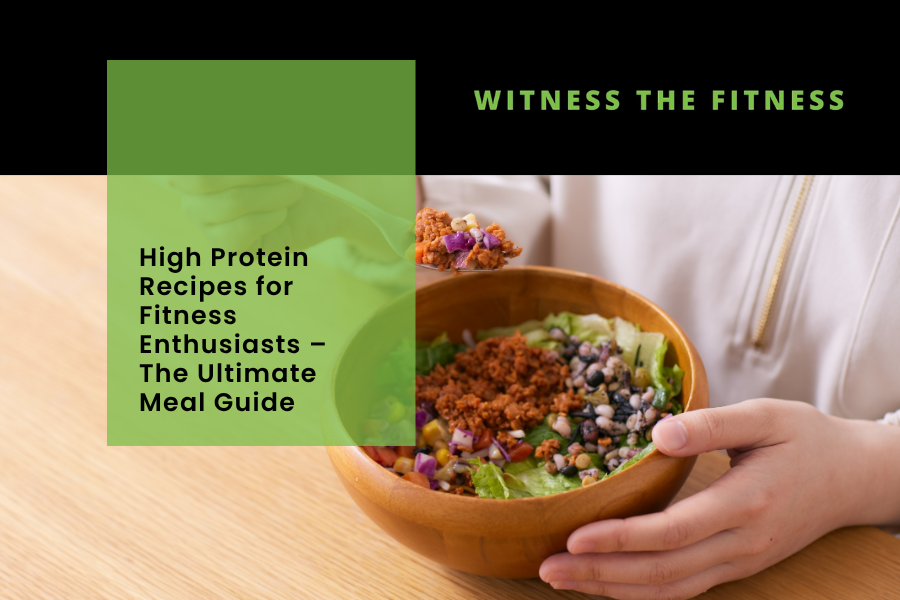
Are you working hard but struggling to see the physical results you want? Whether you are smashing everyday gym sessions or attending high-energy group fitness classes in Paddington, your exercise routine is only half the battle. The real secret to building lean muscle, dropping body fat, and recovering faster lies entirely in your kitchen. To keep your energy levels high and your metabolism firing, you must move away from boring, plain food. This ultimate meal guide provides simple, highly effective, healthy high protein meals that satisfy your taste buds and fit perfectly into your busy lifestyle. Why Protein Intake Matters for Fast Fitness Recovery Every time you lift weights or finish an intense cardio workout, you create tiny, microscopic tears in your muscles. This is a completely natural part of building fitness. However, your body cannot repair those muscles or build them back stronger without a constant supply of quality protein. The Truth About the Post-Workout Window For decades, fitness culture claimed you had to consume protein within thirty minutes of your workout, or your efforts would be completely wasted. Modern exercise science shows this simply is not true. Your body continues to repair muscle tissue for twenty-four to forty-eight hours after a hard session. Instead of worrying about a rushed post-workout shake, focus on your total daily food intake. Splitting your protein evenly across the day, aiming for thirty to forty-five grams per meal, gives your body a continuous stream of amino acids to repair tissue and burn fat efficiently. Choosing Lean Protein vs Healthy Fats When planning muscle-building recipes, balancing your plate is vital for success. Lean protein recipes using chicken breast, turkey, and white fish are incredible for keeping your total calories low while meeting high protein targets. At the same time, do not avoid healthy fats. Adding salmon, lean beef, and whole eggs to your weekly routine provides your body with essential fatty acids that support your joints, balance your hormones, and prevent unwanted hunger cravings. High Protein Breakfast Ideas for Lasting Energy Skipping your morning meal or relying on a quick piece of toast causes blood sugar crashes that leave you feeling exhausted by midday. Starting your morning with protein-packed meals keeps your energy completely stable and stops you from reaching for sugary snacks later on. 10-Minute Mediterranean Egg Scramble Whole eggs are a premium source of bioavailable protein. This rapid breakfast recipe elevates standard eggs with fresh, colorful vegetables and clean fats. Ingredients: 3 large eggs, 2 egg whites, 50g light feta cheese (crumbled), 1 cup baby spinach, 5 cherry tomatoes (halved), 1/4 red onion (chopped), 1/2 teaspoon dried oregano, a pinch of salt and pepper, 1 teaspoon olive oil. Method: Heat the olive oil in a non-stick pan over medium heat. Lightly fry the chopped onion and cherry tomatoes for two minutes until soft. Toss the baby spinach into the pan and let it wilt. In a separate bowl, whisk the whole egg, egg whites, oregano, salt, and pepper together. Pour the eggs into the pan and lower the heat. Stir gently until the eggs are softly cooked, then fold in the crumbled feta cheese right before removing from the stove. Serve alongside a fresh slice of whole grain sourdough toast. Prep-Ahead Berry Overnight Oats If you need to rush out the door for a morning workout session, this simple meal-prep breakfast saves you valuable time without sacrificing your health goals. Ingredients: 1/2 cup rolled oats, 1 scoop quality vanilla protein powder, 150g unsweetened Greek yoghurt, 1/2 cup milk, 1 tablespoon chia seeds, 1/2 cup fresh berries, a pinch of cinnamon. Method: In a glass jar or sealable container, mix the rolled oats, protein powder, chia seeds, and cinnamon together. Add the milk and Greek yoghurt, stirring well until the mixture is fully smooth. Gently fold the fresh berries into the oats. Seal the lid and place the container in the fridge for at least four hours or overnight. The oats and chia seeds will expand, creating a thick, delicious breakfast packed with over thirty-five grams of muscle-building protein. Easy Lean Protein Lunches to Avoid the Midday Slump Your midday meals should supply sustained energy to power you through your afternoon tasks without causing a heavy, tired food coma. These high protein meal ideas are perfect for making in advance. Lean Grilled Chicken and Quinoa Salad Quinoa is a highly valuable plant food because it contains all nine essential amino acids, making it a perfect partner for lean grilled chicken. Ingredients: 200g chicken breast, 1 cup cooked quinoa (cooled), 1/2 cucumber (chopped), 1/2 red capsicum (chopped), 1/4 cup fresh coriander, 1 fresh lime, 1 tablespoon olive oil, 1/2 teaspoon ground cumin, salt and pepper. Method: Season your chicken breast with cumin, salt, pepper, and a splash of lime juice. Grill in a hot pan for six to seven minutes on each side until fully cooked through. Set the chicken aside to cool, then slice it into bite-sized pieces. In a large salad bowl, mix the cold quinoa, cucumber, capsicum, and coriander together. Add the chicken slices to the bowl, drizzle with the remaining lime juice and olive oil, and toss well. This fresh salad is stored perfectly in a lunchbox for up to three days. Quick 5-Minute Tuna and Chickpea Bowl When you run out of time to cook but refuse to ruin your nutrition goals, you can assemble this fast bowl using basic pantry staples. Ingredients: 1 large can (185g) tuna in water (drained), 1/2 can (200g) chickpeas (rinsed and drained), 1 cup fresh rocket leaves, 50g avocado (chopped), 1 tablespoon lemon juice, 1 teaspoon Dijon mustard, cracked black pepper. Method: In a medium-sized serving bowl, whisk the lemon juice and Dijon mustard together to create a light, tangy dressing. Add the drained chickpeas, rocket leaves, and chopped avocado, tossing gently to coat them. Flake the canned tuna into the bowl, stirring lightly so the fish stays in nice, large chunks. Season generously with black pepper. This clean meal provides a great balance of protein, complex carbs, and digestive fibre. Satisfying Dinners for Maximum Muscle Recovery Your evening nutrition should give your body the key resources it needs to repair itself while you enjoy deep sleep. These recipes focus on high-quality proteins combined with vitamins from fresh greens. Ginger Garlic Beef and Broccoli Stir-Fry Using lean cuts of beef provides a rich source of iron and zinc, which are highly critical for energy production and muscle repair in fitness enthusiasts. Ingredients: 200g lean beef strips, 2 cups fresh broccoli pieces, 1/2 cup sliced carrots, 1 tablespoon soy sauce, 1 teaspoon fresh grated ginger, 2 minced garlic cloves, 1 teaspoon sesame oil, 1 tablespoon sesame seeds, 100g cooked brown rice. Method: Mix the soy sauce, ginger, and garlic in a small cup. Heat the sesame oil in a large frying pan or wok on high heat. Add the beef strips and cook quickly for two to three minutes until brown, then remove the beef from the pan. Throw the broccoli and carrots into the hot pan with two tablespoons of water to help them steam. Cook for three minutes until crisp and bright. Put the beef back in, pour the sauce over everything, and stir for one minute. Serve over brown rice and scatter sesame seeds on top. Baked Basil Pesto Salmon with Roasted Asparagus Salmon is absolutely packed with healthy omega-3 oils, which work wonders for lowering muscle soreness and keeping your joints flexible after intense gym sessions. Ingredients: 180g fresh salmon fillet (skin on), 1 tablespoon basil pesto, 1 bunch of fresh asparagus (ends trimmed), 1 teaspoon olive oil, a pinch of sea salt, fresh lemon wedges. Method: Preheat your oven to 200°C and place baking paper on a tray. Place the salmon fillet in the middle of the tray and spread the pesto evenly over the top of the fish. Arrange the asparagus spears around the salmon, drizzle them with olive oil, and add a little salt. Bake for twelve to fifteen minutes until the salmon flakes easily with a fork. Serve with fresh lemon slices for a clean finish. Time-Saving Fitness Meal Prep Strategies Consistency is the absolute backbone of any successful transformation journey. Preparing your healthy meals in advance removes the daily stress of cooking and keeps you away from takeaway shops when you are tired. Buy Glass Containers: Always use airtight glass meal prep containers. They keep your food tasting much fresher, do not absorb old food smells, and are completely safe to reheat in the microwave. Batch Cook Separate Ingredients: Instead of preparing five identical boxes of food for the week, cook your ingredients separately. Grill a large batch of chicken breasts, roast a massive tray of vegetables, and boil a large pot of quinoa. Mix and match different items each day so you never get bored of your diet. Utilise Your Freezer Safely: High protein meals like beef stews, turkey chilli, and chicken curries freeze incredibly well. Divide them into single portions and freeze them immediately. Move a container to the fridge the night before you want to eat it, so it thaws safely. Frequently Asked Questions 1 . How much protein do fitness enthusiasts genuinely need daily? Most active adults require between 1.6 and 2.2 grams of protein per kilogram of body weight each day to effectively support muscle recovery, tissue repair, and lean growth. 2 . Can I hit my daily target using only plant-based meals? Yes, you can easily reach your goals on a plant diet by regularly mixing varied protein sources like tofu, tempeh, lentils, and beans to get all the essential nutrients your body needs. 3 . Is it necessary to use protein supplements to see real results? Protein powders are just a highly convenient tool to help you hit your goals on busy days, but they are not required if you eat enough chicken, fish, eggs, and dairy. 4. How long can I safely store meal-prepped chicken in the fridge? Cooked chicken can stay in an airtight container in the refrigerator for three to four days, so it is best to split your prep into two smaller weekly sessions to keep it fresh. 5. What are some simple ways to boost protein without adding calories? You can easily increase protein density by adding liquid egg whites to regular eggs, mixing unflavoured collagen powder into sauces, or using fat-free Greek yoghurt instead of mayonnaise. 6. Should I eat a high protein meal before or after my workouts? Having a light protein and carb meal two hours before training gives your body excellent energy, while eating protein after your workout actively starts the vital muscle recovery process. Maximize Your Results with the Ultimate Training Routine Fueling your body with these high protein recipes for fitness enthusiasts gives your muscles the exact blocks they need to rebuild. However, eating well is only one part of the transformation story; you also need a powerful, structured training plan to unlock your true physical potential. If you want to combine premium nutrition with fun, high-energy exercise, join us at Witness the Fitness in Paddington, QLD. Our expert group fitness classes are specifically designed to challenge your limits, torch body fat, and build real functional strength. Don't wait for next week to make a change. Contact Witness the Fitness today to secure your trial session and start your transformation!